Meditation 101: A Simple Guide to Getting Started
- Andrew Nightscales
- Oct 13, 2025
- 3 min read

Meditation is a powerful tool for reducing stress, improving focus, and cultivating a sense of peace in your daily life. If you’re new to meditation, the idea of sitting still and quieting your mind might seem daunting. But meditation doesn’t have to be complicated. With a few simple steps, you can begin your journey and experience its many benefits.
What Is Meditation?
Meditation is a practice that helps you focus your attention and develop awareness of the present moment. It’s not about turning off your thoughts but rather observing them without judgment. Over time, this practice can lead to greater mental clarity and emotional balance.
Benefits of Meditation
Meditation offers numerous benefits for both the mind and body. Here are some of the key advantages:
Reduces Stress: Meditation helps calm the mind, which can lower stress levels and improve overall well-being.
Enhances Focus: Regular practice improves concentration and mental clarity, making it easier to stay present.
Improves Emotional Health: Meditation can help regulate emotions, leading to greater resilience and positivity.
Boosts Sleep Quality: A calmer mind is better equipped for restful sleep.
Promotes Mind-Body Connection: Meditation increases awareness of your body’s sensations, helping you tune into your physical and mental needs.
Getting Started: A Step-by-Step Guide
1. Find a Quiet Space
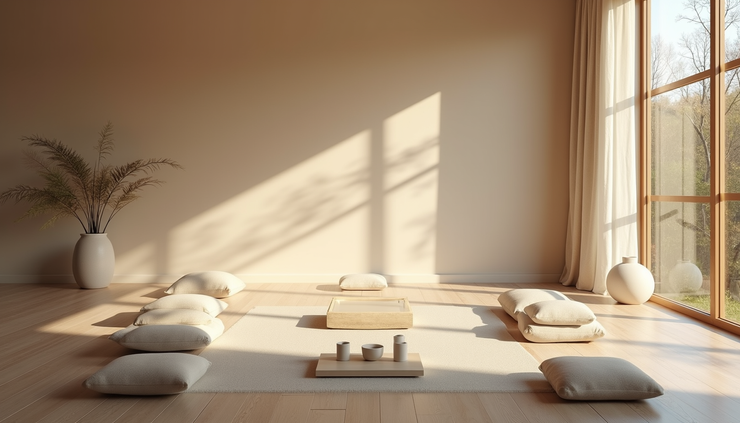
Choose a location where you won’t be disturbed. It could be a corner of your room, a park bench, or even your car. The key is to minimize distractions.
2. Get Comfortable
Sit in a way that feels natural to you. You can sit on a cushion, a chair, or even lie down if that’s more comfortable. Keep your back straight but relaxed.
3. Start with Your Breath
Focus on your breathing. Inhale deeply through your nose, and exhale slowly through your mouth. Notice the sensation of the air entering and leaving your body. If your mind wanders, gently bring your attention back to your breath.
4. Set a Timer
Start small, aiming for 3-5 minutes per session. Gradually increase the time as you become more comfortable with the practice.
5. Be Patient
Your mind will wander, and that’s okay. Meditation is about noticing when your attention drifts and gently returning to your focus point, whether it’s your breath, a mantra, or a visualization.
Tips for Staying Consistent
Make It a Routine: Meditate at the same time every day, such as in the morning or before bed.
Use Guided Meditations: Apps like Calm, Headspace, or Insight Timer offer guided sessions to help you get started.
Start Small: Even one minute of meditation is better than none. Build your practice gradually.
Stay Curious: Approach meditation with an open mind. Every session is a chance to learn more about yourself.
Track Your Progress: Keep a journal of your meditation experiences to stay motivated and reflect on your growth.
Common Misconceptions About Meditation
“I need to clear my mind completely.” Meditation isn’t about stopping your thoughts but learning to observe them without attachment.
“I don’t have time.” Even a few minutes a day can make a big difference. Start small and work meditation into your schedule.
“I’m not doing it right.” There’s no “right” or “wrong” way to meditate. It’s a personal practice that evolves over time.
Final Thoughts
Meditation is a journey, not a destination. The benefits come with consistent practice and patience. By starting small and staying curious, you can make meditation a meaningful part of your life. Remember, it’s not about perfection—it’s about showing up for yourself, one breath at a time.
Are you ready to give meditation a try? Take a deep breath, find your quiet space, and begin your journey today. Your mind and body will thank you!

Comments